
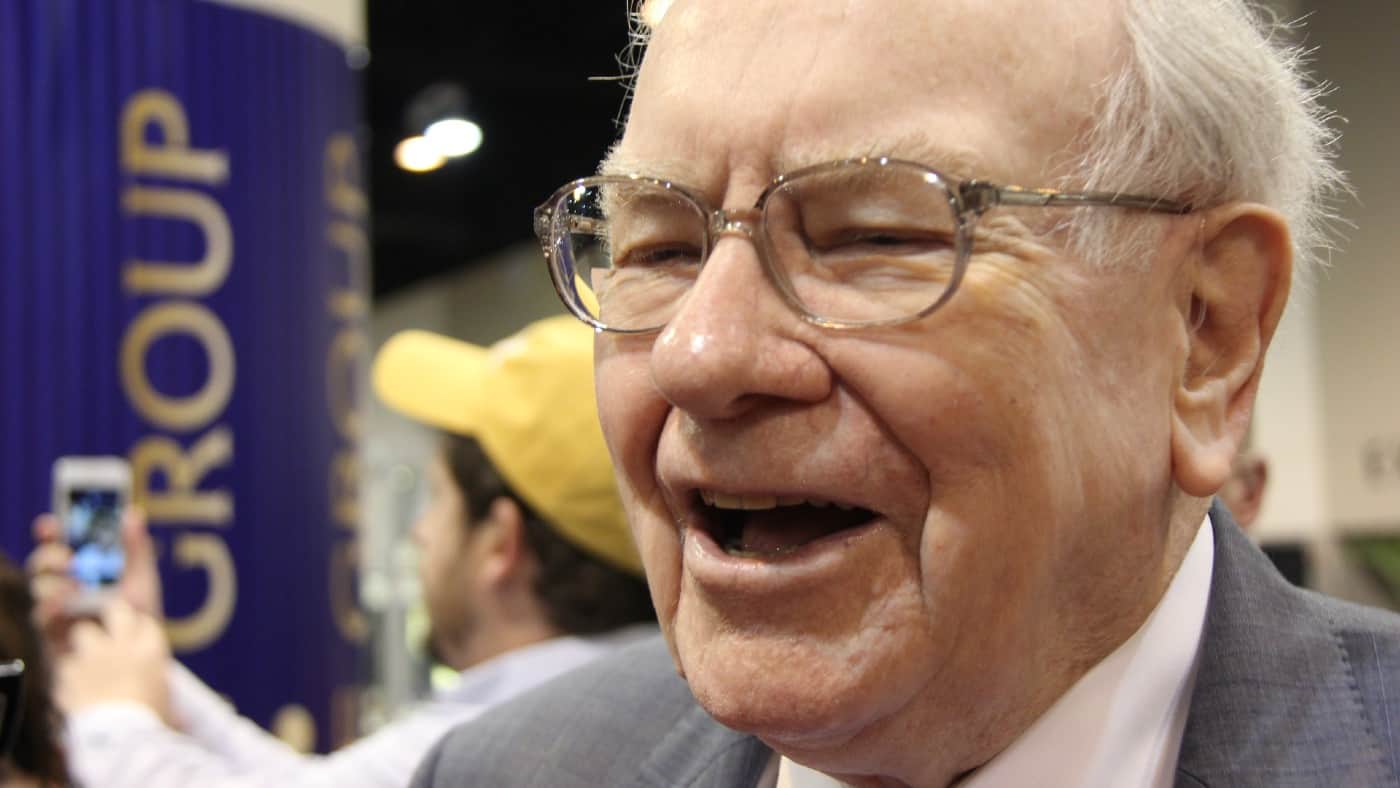
Warren Buffett has built one of the greatest investing records in history, compounding Berkshire Hathawayâs value at a 19.9% annualised rate since 1965. Thatâs essentially double what index investors have earned over the same period, turning an initial small stake into millions!
Buffett has now retired as CEO of Berkshire. But luckily, over the years, heâs shared a huge amount of plain-English advice that ordinary investors can use to try and boost their own longâterm returns.
Warren’s wisdom
Here are seven of his most important principles:
- Invest for the long run.
- Stay within your circle of competence.
- Look for durable competitive advantages.
- Demand a margin of safety on price.
- Avoid unnecessary debt and leverage.
- Be greedy when others are fearful.
- Keep it simple.
In practice, these all work together. Long-term investing only makes sense if you understand the businesses you own (circle of competence) and believe they can defend their profits for many years (having a durable competitive advantage, or moat). Buying with a margin of safety helps protect you when youâre wrong. And avoiding leverage makes it easier to sit through downturns without being forced to sell at the bottom.
How Apple shows these rules in action
One of Buffettâs clearest realâworld examples of these principles in action is arguably Apple (NASDAQ:AAPL). Despite trimming his position recently, Berkshire still holds Apple as its single biggest stock investment, worth around $60bn and making up roughly 22% of its equity portfolio as of early 2026.
While Buffett has historically avoided the tech sector, Apple nevertheless sits firmly within Buffettâs circle of competence as a consumerâfacing brand with a loyal customer base.
Its product ecosystem gives it a huge moat, with over 2bn active devices helping to drive recurring highâmargin revenue, all supported by a healthy cash-rich balance sheet. And at the time of his initial investment, the valuation wasnât too demanding either.
Even in the last few years, Buffett took advantage of the weakened share price throughout 2022 and 2023 while most investors were fixated on short-term supply chain challenges and slow AI implementation â exactly what tip #6 says to do.
Is Apple still a buy in 2026?
Since 2024, Buffett has been steadily trimming his stake in the tech giant. At one point, Apple was worth over 50% of Berkshireâs entire portfolio, so itâs not surprising to see some prudent portfolio rebalancing. However, there are some valid causes for concern in 2026 surrounding this business.
Global economic weakness and supply chain disruptions could hit iPhone demand quite hard â as could the brewing regulatory pressures and slow adoption of AI features.
Having said that, while the initial launch has been a bit rocky, the AI feature rollout is starting to gain momentum. And with future generations of iPhones looking like a far more significant upgrade, several institutional analysts have begun raising their share price targets.
In other words, the growth story doesnât appear to be over.
To me, Apple is a textbook example of Buffettâs playbook: a worldâclass brand, a powerful moat, huge cash generation, and a shareholderâfriendly capital return policy that rewards long-term investors.
Thatâs why, for investors who want to try and follow in Buffettâs footsteps, this business could be worth a closer look today. And itâs not the only Buffett-like stock on my radar right nowâ¦
Should you invest £5,000 in Apple right now?
When investing expert Mark Rogers and his team have a stock tip, it can pay to listen. After all, the flagship Twelfth Magpie Share Advisor newsletter he has run for nearly a decade has provided thousands of paying members with top stock recommendations from the UK and US markets.
And right now, Mark thinks there are 6 standout stocks that investors should consider buying. Want to see if Apple made the list?
Zaven Boyrazian does not hold any positions in the companies mentioned.
The post 7 easy Warren Buffett tips to retire richer appeared first on The Twelfth Magpie.
More reading